
Some trees cope better than others
Different tree species found across Norfolk have different levels of drought tolerance. Beech, birch and sycamore can be relatively sensitive to drought, while species including hornbeam and our native oaks tend to be more tolerant.
However, soil conditions, rooting depth, exposure, age and the previous health of the tree can all influence its ability to withstand prolonged dry weather. Trees growing in shallow, sandy or freely draining soils may experience water shortages particularly quickly.
Urban trees can face additional problems because their roots are often restricted by roads, driveways, buildings and other hard surfaces.
The effects may continue long after the rain returns
One of the most important things to understand about drought damage to trees is that its effects aren’t necessarily over when it starts raining again. A severely stressed tree may have depleted some of the energy reserves it normally uses for growth, defence and recovery while damage to the roots can also affect its ability to absorb water and nutrients.
A tree which survives the summer of 2026 could potentially show symptoms of decline during 2027 or subsequent years.
Drought-stressed trees may also become more vulnerable to certain pests and diseases. That’s why monitoring trees following a significant drought can be just as important as looking after them while the drought is happening.
Should drought-stressed trees be pruned?
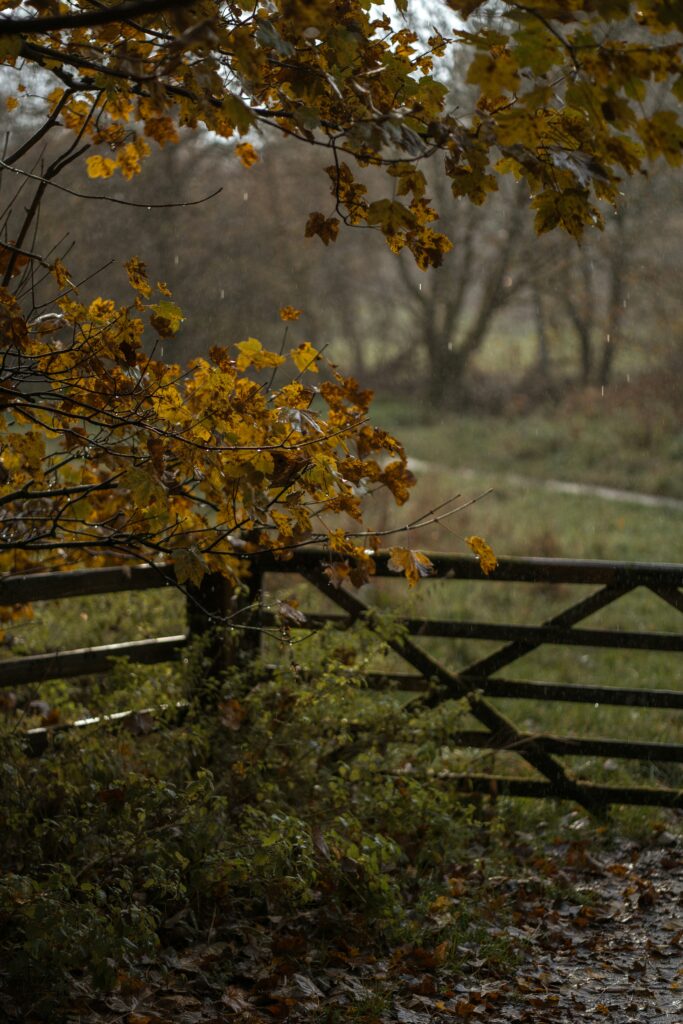
No, not automatically. Removing healthy foliage reduces the tree’s ability to photosynthesise and produce the energy it needs to recover. Heavy pruning of an already stressed tree can in fact create an additional physiological burden.
Dead, damaged or potentially hazardous branches may need attention, particularly where trees are close to houses, roads, footpaths, gardens or other areas used by people.
The appropriate response will depend upon the individual tree, its condition and its surroundings.
What can you do to help drought-stressed trees?
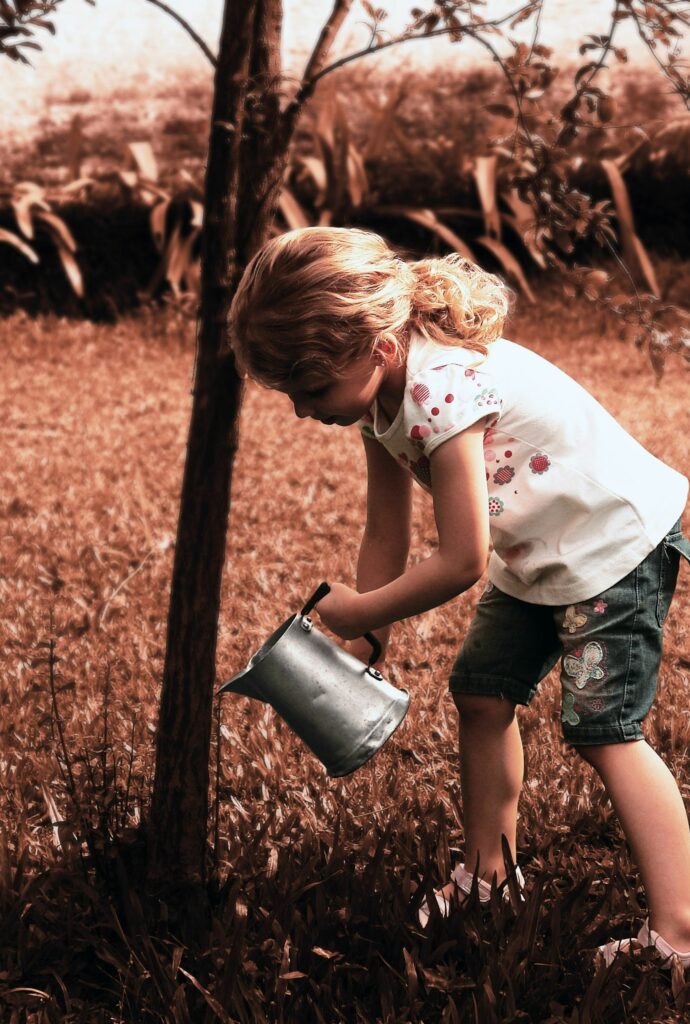
There are several practical measures that can help trees through prolonged dry conditions:
- Prioritise watering newly planted and young trees.
- Water thoroughly so moisture penetrates the rooting area.
- Consider mulching to reduce evaporation from the soil.
- Avoid unnecessary excavation or soil disturbance around trees.
- Don’t automatically prune a tree simply because it is showing drought stress.
- Continue monitoring trees after the drought has ended.
- Seek professional arboricultural advice if you notice significant crown dieback, dead branches or other changes that concern you.
Looking beyond the 2026 drought
Periods of exceptionally hot and dry weather are becoming an increasingly important consideration in arboriculture.
Tree management is about more than responding to the immediate symptoms of drought – we also need to consider how trees and landscapes can become more resilient to future periods of extreme weather. This includes selecting appropriate species when planting, protecting healthy rooting environments, improving soil conditions where necessary and looking after established trees so they are in the best possible condition to withstand environmental stress.
At Ace of Spades Gardens, our experienced team provides professional tree care, tree surgery and arboricultural consultancy throughout Norwich and Norfolk.
If you’re concerned that the 2026 drought may be affecting trees or other woody vegetation on your property, professional assessment can help identify signs of stress, distinguish drought symptoms from other tree problems and determine whether any action is required.
Please get in touch with us by calling 01603 487447 or emailing [email protected]